Entry · Ref RWWMAKYL
Periodontal Treatment Ventura for Better Oral Hygiene Outcomes
- Posted
- 2026-10-02
- Last amended
- 2026-10-02
- Account
- @jeffreywaxi912
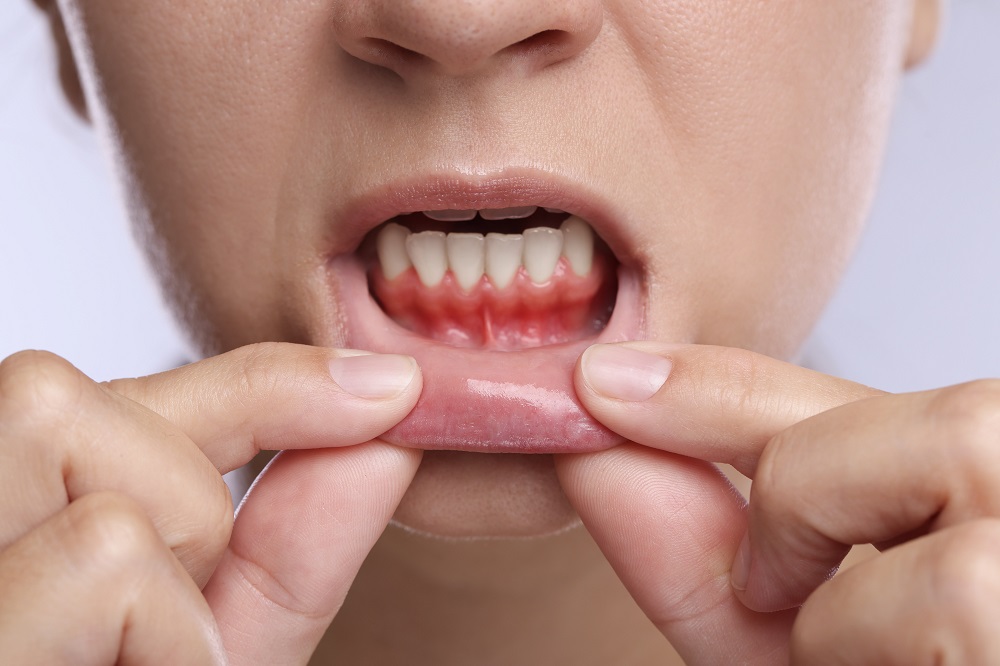

Healthy teeth depend on healthy gums more than most people realize. When gums become inflamed or infected, the damage rarely stays on the surface. It can move quietly below the gumline, affecting connective tissue, bone support, breath quality, chewing comfort, and ultimately whether teeth remain stable over time. That is why periodontal care matters so much. It is not cosmetic maintenance. It is foundational treatment.
Patients often arrive thinking they need a routine cleaning, then learn the issue is more complex. Bleeding while brushing, tenderness around the molars, a faint metallic taste, or gums that seem to be pulling away from the teeth can all point to periodontal disease. Some people have no pain at all, which is part of the challenge. Gum disease tends to progress slowly, then become expensive and disruptive once it reaches an advanced stage.
For people seeking Periodontal Treatment Ventura, the real goal is not simply to stop disease in the moment. The goal is to create better oral hygiene outcomes over the long haul, outcomes that show up in stronger daily comfort, easier home care, fresher breath, fewer emergency visits, and a better chance of keeping natural teeth for decades.
Why gum health changes the entire picture
When plaque is not removed thoroughly, bacteria gather along the gumline and inside shallow pockets around the teeth. At first, the body responds with inflammation. This early stage, gingivitis, may cause redness, puffiness, and bleeding during flossing or brushing. At this point, the damage is usually reversible with professional care and improved home habits.
If the bacterial buildup remains, the situation can shift into periodontitis. That change matters because the infection begins to affect deeper supporting structures. The gum attachment weakens. Pockets deepen. Bone loss may begin. Teeth that once felt solid can become subtly mobile, especially during chewing. Patients sometimes describe it as a strange pressure or the sense that one tooth is “different” even if it does not hurt.
This is where timely periodontal treatment makes a practical difference. In my experience, the most successful cases are not always the mildest ones. They are often the cases where the patient understands what is happening and participates fully in the maintenance phase. Treatment can control disease effectively, but gum health is rarely a one-appointment fix. It is managed, monitored, and supported over time.
Signs that should not be brushed off
A surprising number of adults normalize symptoms that deserve attention. They assume bleeding gums are caused by brushing too hard, or they blame chronic bad breath on coffee. Sometimes those explanations are partly true, but they can also mask deeper periodontal issues.
The most common warning signs include:
- Gums that bleed during brushing or flossing
- Persistent bad breath that returns quickly after cleaning
- Gum recession or teeth that appear longer than before
- Tenderness, swelling, or pus near the gumline
- Loose teeth or changes in the way the bite feels
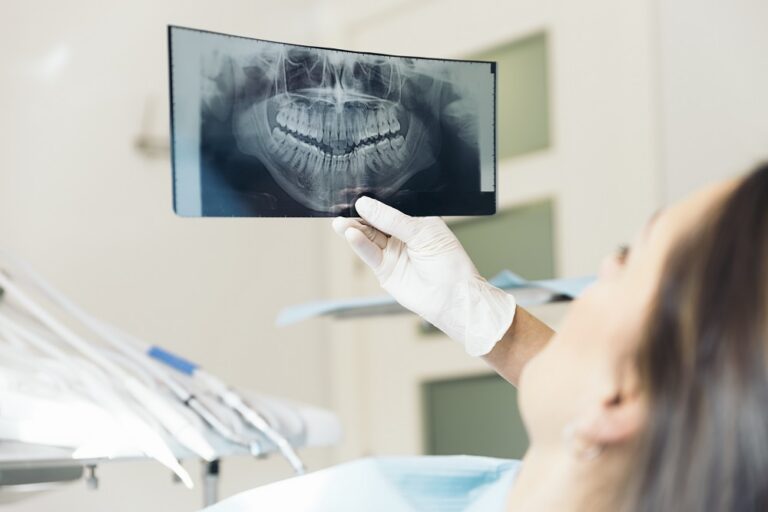
Not every symptom means advanced periodontal disease, but each one justifies a careful examination. One of the more revealing moments in a consultation is when radiographs are compared over several years. Patients are often startled to see how gradual bone loss can be. Because the change is slow, it is easy to miss day to day. On film, it becomes obvious.
What a periodontal evaluation usually involves
A proper periodontal assessment is more detailed than a standard quick look during a routine visit. The clinician typically measures the depth of spaces between the gums and teeth, checks for bleeding points, evaluates gum recession, assesses tooth mobility, and reviews imaging to detect bone changes. Existing restorations matter too. Crowns with rough edges, old fillings, or poorly contoured dental work can trap plaque and complicate gum health.
Medical history also deserves attention. Diabetes, smoking, certain medications, dry mouth, hormonal changes, and immune conditions can all affect periodontal stability. So can stress, not in a vague or trendy sense, but because stress often changes routine. People clench more, sleep less, neglect home care, eat differently, and postpone dental visits. Those patterns show up in the mouth.
In Ventura, clinicians also see a broad mix of patients, from retirees managing long-term oral health to busy working adults who have delayed care for years. The pattern is familiar. Life gets crowded. The gums pay for it.
The difference between a standard cleaning and periodontal treatment
One of the biggest misunderstandings in dentistry is the belief that all professional cleanings are essentially the same. They are not.
A regular preventive cleaning is intended for mouths without active periodontal breakdown. It removes plaque and tartar from the visible surfaces of the teeth and slightly below the gumline where the tissues are still relatively healthy. Periodontal treatment, by contrast, addresses infection https://holdenyqqi839.yousher.com/can-periodontal-treatment-ventura-improve-overall-oral-health in deeper pockets where bacteria, calculus, and inflamed tissue are established below the surface.
That deeper work often includes scaling and root planing. The scaling portion removes deposits from the tooth and root surfaces. Root planing smooths those root surfaces to make bacterial reattachment less likely and to support gum healing. Local anesthetic is commonly used because the treatment reaches areas a routine cleaning does not.
Patients sometimes ask whether this is “just a deeper cleaning.” Technically, the phrase is understandable, but it undersells the purpose. Periodontal treatment is targeted therapy for active disease. It is designed to interrupt the inflammatory process and help the tissues stabilize.
How scaling and root planing helps
When performed at the right stage, scaling and root planing can dramatically improve gum health. The measurable goals are straightforward: reduce pocket depths, decrease bleeding, lower bacterial load, and create conditions where home hygiene can actually work. If tartar remains buried under inflamed gums, brushing harder at home will not solve the problem.
Healing after treatment varies. Some patients notice an immediate difference in freshness and tenderness within days. Others need a few weeks before the gums tighten and calm down. Mild sensitivity to temperature is common, particularly where swollen tissue shrinks and exposes root surfaces that were previously covered. This usually becomes manageable with a desensitizing toothpaste and careful brushing technique.
The best results tend to occur when treatment is paired with realistic coaching. A patient with arthritis may need an easier-to-grip electric toothbrush. Someone with crowded lower front teeth may benefit from interdental brushes instead of string floss alone. A person with frequent travel may need a simplified routine they can maintain in hotel bathrooms at 6 a.m. Precision matters more than perfection.
When advanced care is necessary
Not every case responds fully to nonsurgical treatment. If pockets remain deep, bleeding persists, or certain areas are hard to access due to anatomy, more advanced periodontal therapy may be recommended. That does not automatically mean major surgery, but it does mean the care plan becomes more tailored.
Depending on the case, treatment might include localized antimicrobial therapy, periodontal surgery to reduce pocket depth, regenerative procedures to support bone and tissue repair, or grafting to address recession. Each approach has trade-offs. Surgery can offer better access and more definitive results in stubborn areas, but it also comes with healing time, cost, and patient recovery considerations.
A well-run periodontal practice does not rush toward aggressive treatment when simpler measures still have a fair chance. At the same time, delaying necessary care too long can narrow the options. The sweet spot is thoughtful timing, based on pocket measurements, radiographic findings, inflammation levels, and patient risk factors.
Periodontal Treatment Ventura and the importance of local follow-through
Any discussion of Periodontal Treatment Ventura should include one practical truth: the best treatment plan is the one a patient can actually maintain. That means appointment timing, ease of follow-up, access to hygiene visits, and clear communication all matter as much as the technical procedure itself.
Ventura residents often balance work schedules, school runs, seasonal tourism traffic, and family obligations. When follow-up is difficult, people skip maintenance and assume they will “get back on track later.” Periodontal disease is not particularly forgiving of that approach. A six-month delay can make a controlled situation active again, especially in patients with a history of deep pockets or bone loss.
Local continuity of care helps. A practice that tracks periodontal charting over time, compares old radiographs, and recognizes a patient’s recurrent trouble spots can make more precise decisions. One patient may always relapse around lower molars because of anatomy and grinding. Another may stay stable everywhere except around an old bridge that traps food. Those details shape outcomes.
What maintenance really means after treatment
A common mistake is to view treatment as the finish line. In periodontal care, treatment is often the reset point. Once the active infection is brought under control, the focus shifts to maintenance. This is where long-term success is won or lost.
Periodontal maintenance visits are usually scheduled more frequently than routine cleanings. For many patients, every three to four months is appropriate, at least initially. That interval is not arbitrary. Harmful bacterial populations can repopulate below the gumline in a relatively short time, especially in patients with a history of periodontitis. More frequent visits help disrupt that cycle before inflammation gains momentum again.
At maintenance appointments, clinicians reassess pocket depths, bleeding, plaque accumulation, areas of recession, and any signs of renewed attachment loss. The appointment may look simple from the patient’s chair, but the clinical thinking behind it is not. A good maintenance program tracks patterns, not just plaque.
Home care that supports professional results
Daily habits either protect the investment in periodontal treatment or slowly unravel it. Patients often do better with a few consistent behaviors than with an elaborate plan they abandon after two weeks.
The home measures that make the biggest difference are usually these:
- Brush twice daily with gentle, thorough technique, ideally using an electric toothbrush if recommended
- Clean between the teeth every day with floss, interdental brushes, or water flossing as advised for your anatomy
- Use any prescribed antimicrobial rinse or specialty product exactly as directed, not casually
- Avoid tobacco in all forms, since smoking can mask bleeding while worsening disease
- Keep maintenance appointments on schedule, even when the mouth feels fine
Notice what is not on that list: harsh scrubbing, random internet remedies, or overusing whitening products in a mouth with active gum inflammation. Those choices often create more irritation, not better hygiene.
The relationship between gum disease and systemic health
It is wise to discuss gum disease without overstating it. Periodontal disease does not single-handedly cause every health problem, and responsible clinicians should avoid dramatic claims. Still, the association between chronic oral inflammation and broader health concerns is clinically relevant. Patients with poorly controlled diabetes, for example, often have a harder time stabilizing gum disease. The relationship appears to go both ways. Inflammation and blood sugar control can influence one another.
Cardiovascular risk discussions also come up often. The responsible position is that chronic inflammation in the mouth is one piece of a much larger health picture. It is not a standalone prediction tool, but it is certainly not trivial either. Patients who improve their periodontal health often report side benefits that are easy to understand, such as less bleeding, less soreness, easier chewing, and more confidence during close conversation.
For pregnant patients, hormonal shifts can intensify gum inflammation, which makes professional guidance especially important. For older adults, dry mouth and complex restorative work can create new plaque traps. Each life stage changes the oral environment in ways that matter.
Cost, timing, and the value question
Patients are often hesitant about periodontal treatment because of cost, especially when symptoms are mild. That hesitation is understandable. The problem is that untreated periodontitis tends to become more expensive over time. What begins as localized therapy and structured maintenance can evolve into extractions, bone grafting, implants, removable appliances, or repeated emergency visits.
From a purely practical standpoint, preserving natural teeth is usually the more efficient path when it is still achievable. That does not mean every tooth can or should be saved at any cost. Good dentistry involves judgment. Occasionally, a tooth with severe bone loss, a root fracture, or hopeless support is better removed than repeatedly treated. But many teeth that feel threatened can remain healthy for years when periodontal disease is treated early and maintained well.
Patients often appreciate clear comparisons. Paying for proper therapy now may feel inconvenient, but it is often less disruptive than replacing lost teeth later. Time away from work, surgery recovery, nutritional limitations during healing, and the emotional impact of tooth loss rarely show up on an estimate sheet, yet they matter.
What patients often notice after successful treatment
Clinical measurements matter, but patient experience matters too. The most encouraging sign of successful periodontal care is often the return of comfort patients had forgotten they were missing. They notice their mouth feels cleaner for longer. Flossing no longer produces blood at every contact point. Morning breath improves. Food packs less between the teeth. Cold sensitivity may rise briefly, then settle as tissues heal and routines improve.
One patient described it well after finishing initial therapy. She said her mouth no longer felt “tired” by the end of the day. That is not a textbook term, but it captures a real phenomenon. Chronic gum inflammation creates a low-grade irritation that many people adapt to until it is gone.
Aesthetics can improve as well, though not always in the way patients expect. Very swollen gums can look fuller before treatment and leaner afterward, which can reveal existing recession. This is not treatment causing damage. It is inflammation resolving and exposing the true contours of the tissue. Setting expectations about that difference helps prevent confusion.
Choosing the right provider for periodontal care
Not every patient needs a periodontist, but many benefit from seeing one, especially when the disease is moderate to severe, recurring, or complicated by recession, implants, or restorative planning. A skilled general dentist can manage many early and intermediate periodontal issues, often in coordination with a specialist when needed.
What matters most is thoughtful diagnosis and honest communication. Patients should understand the severity of the disease, the purpose of each phase of treatment, the likely benefits, the limitations, and the maintenance commitment afterward. Be cautious of oversimplified promises. Gum disease control is very achievable, but it is still a biological process, not a one-visit product.
A strong provider will also tailor recommendations to the person in front of them. There is a difference between ideal dentistry and practical dentistry. The best care plans respect both. A retiree on a fixed income, a young parent with limited appointment flexibility, and a patient with dental anxiety may all need different pacing and support, even when the diagnosis is similar.
Better oral hygiene outcomes start below the gumline
For people dealing with bleeding gums, chronic bad breath, gum recession, or bone loss, better brushing alone is often not enough. If bacterial buildup and inflammation have moved below the gumline, the solution has to meet the problem at that level. That is where periodontal care changes the trajectory.
Periodontal Treatment Ventura can do more than clean infected areas. It can restore a sense of control. Patients who commit to treatment and maintenance often leave the cycle of temporary fixes behind. They understand what their gums need, what warning signs to watch for, and how their daily routine fits into the bigger picture.
Better oral hygiene outcomes are rarely about doing everything perfectly. They come from catching disease early when possible, treating it thoroughly when necessary, and following through consistently afterward. Healthy gums make every other part of oral care work better. Without that foundation, even the best brushing habits struggle to keep up. With it, the whole mouth becomes easier to protect.
Avra Dental
Address: 1708 S Victoria Ave B, Ventura, CA 93003
Phone number: (805) 941-1001
FAQ About Periodontal Treatment Ventura
Can a dentist get rid of periodontal disease?
A dentist or gum specialist (periodontist) cannot fully cure or reverse advanced periodontal disease (periodontitis), but they can successfully stop its progression and manage the infection.
Is periodontitis very serious?
Yes, periodontitis is a very serious, advanced form of gum disease that destroys the bone and tissues supporting your teeth.
How is stage 2 periodontal disease treated?
Stage 2 periodontal disease (early to moderate periodontitis) is primarily treated with non-surgical deep cleaning procedures like scaling and root planing to remove bacteria and tartar below the gumline.